




Why luck plays a vital role in casino success

The Nature of Luck in Gambling
Luck is often described as a force that seems to operate for or against individuals, especially in situations involving chance. In the world of gambling, luck takes on a critical role, influencing outcomes that are otherwise governed purely by strategies or skills. For many players, the thrill of taking a risk and hoping for that lucky break can be the most compelling aspect of casino games like 1win , where the balance of skill and luck creates an exhilarating experience that keeps players coming back.
The unpredictability of luck in gambling cannot be overstated. Players can study strategies, manage their bankrolls, and analyze patterns, yet, ultimately, the outcome of games still hinges on factors beyond their control. A dice roll, for instance, is purely a matter of chance. This element of luck adds an intriguing layer to the games, as it can turn a losing streak into a winning one or vice versa in the blink of an eye. The sweet allure of hitting a jackpot or drawing the perfect card fuels the excitement that defines the casino environment.
Moreover, luck plays a psychological role in gambling. Players often perceive a ‘lucky charm’ or find significance in certain rituals they believe bring fortune. Whether it’s wearing a favorite shirt or touching a specific object before playing, these beliefs can enhance the overall gambling experience. The emotional highs that accompany lucky wins can lead to moments of joy that are deeply memorable, thus ensuring that the element of luck remains a central fixture in casino culture.
The Relationship Between Skill and Luck
While luck is a primary driver of outcomes in gambling, it is essential to recognize that skill and strategy also play significant roles. In games such as poker or blackjack, knowledge of strategies, reading opponents, and managing bets can heavily influence the game results. However, even the most skilled player cannot escape the whims of luck. A card that lands on the table can turn a carefully laid-out strategy into a missed opportunity, illustrating how luck intertwines with skill in unpredictable ways.
This interplay between skill and luck creates a unique dynamic within gambling experiences. Skilled players often excel during long runs where statistical probabilities favor them, but luck can disrupt these streaks. A novice, for instance, might win against seasoned players due to a fortunate turn of events, demonstrating how luck can occasionally eclipse expertise. This leads to the captivating narrative of the underdog overcoming intense odds, a theme celebrated in stories of casino triumph.

Ultimately, the balance between skill and luck varies across different casino games. In games of pure chance, like slots or roulette, luck reigns supreme, and the outcomes are entirely reliant on randomness. However, in games that combine both luck and skill, players must utilize their strengths while remaining open to the unpredictable nature of luck. This intricate relationship ensures a lively and dynamic casino atmosphere where every player has an opportunity to win, regardless of their experience level.
The Role of Luck in Player Psychology
Luck significantly influences player psychology in casinos. When individuals embark on their gambling journeys, they often do so with a hopeful mindset, anticipating that luck will be on their side. This mindset can elicit feelings of excitement and optimism, enhancing the enjoyment factor associated with gambling. The belief in luck can drive players to engage more deeply with the games, fostering a sense of camaraderie as they share moments of triumph and despair.
Moreover, the perception of luck can lead to riskier behavior. Players who experience a few wins might feel invincible, encouraging them to increase their bets and take on higher stakes, banking on the continuation of their lucky streak. This psychology can be a double-edged sword; while it can lead to exciting wins, it can also result in significant losses if players overestimate their streak of luck. Recognizing the thin line between believing in luck and responsible gambling is crucial in maintaining a healthy gaming experience.
The casino environment itself is crafted to amplify feelings associated with luck. The sounds of ringing machines, flashing lights, and the thrill of nearby winners all generate an atmosphere charged with energy. This design plays on player psychology, encouraging engagement and persistence. Consequently, the role of luck extends beyond mere chance; it becomes a key element in the overall experience, affecting how players approach the games and manage their expectations.
Luck as a Fundamental Element of Casino Culture
In essence, luck serves as a foundational aspect of casino culture. It encapsulates the thrill, excitement, and unpredictability that define the experience of gambling. Each player enters the casino with unique expectations, but the hope for luck to favor them is a common thread that unites all. This shared belief creates a vibrant community where stories of luck are eagerly exchanged, further enhancing the social dimension of gambling.
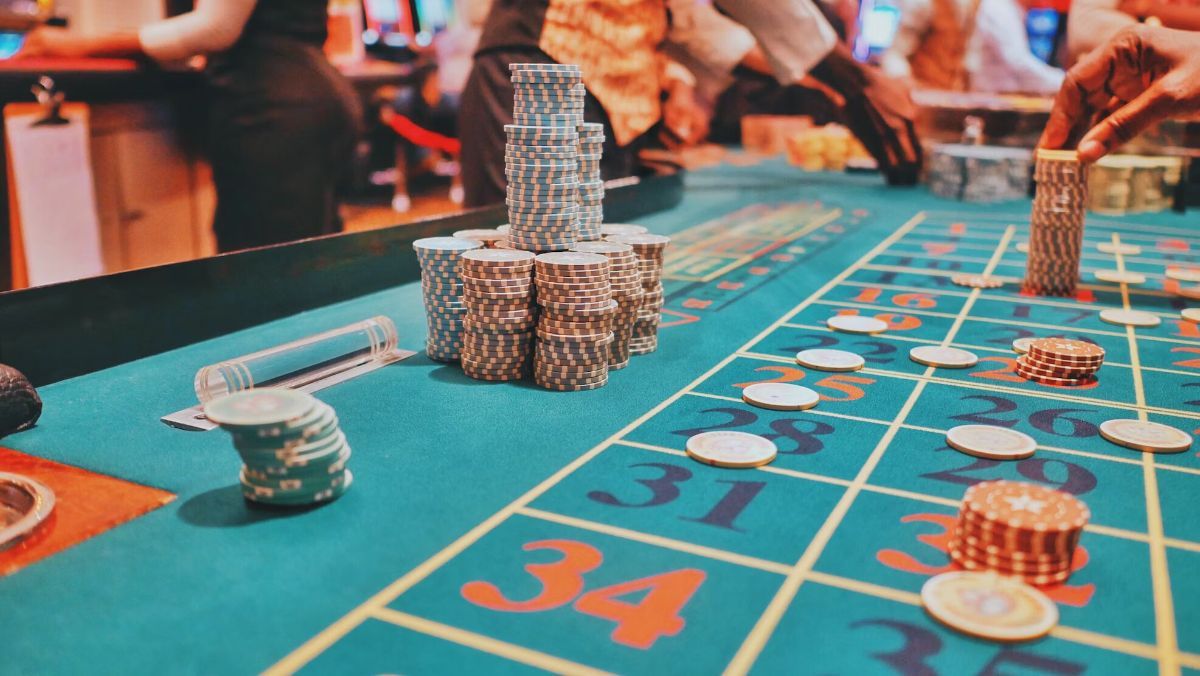
Moreover, many popular casino games and tournaments incorporate luck-based elements to keep the experience fresh and engaging. Lotteries, bingo games, and certain types of slot machines are designed around the concept of chance, providing accessible gaming options for those who may not possess advanced skills. This accessibility underscores the vital role of luck, enabling individuals from all walks of life to participate and enjoy the thrill of the gaming atmosphere.
In a broader context, the significance of luck has permeated beyond the gaming floor into popular culture, manifesting in movies, literature, and even daily life discussions. It has shaped narratives around gambling, embedding itself within societal beliefs about fortune and fate. The prevalence of luck-related themes highlights its crucial role, not just in casinos, but in the collective understanding of chance and risk-taking that defines human behavior.
The Importance of Responsible Gambling
As much as luck plays a vital role in casino success, it is also essential to understand the importance of responsible gambling. Players must approach gambling with a clear mindset, recognizing that luck is just one factor among many. Having a strategy, setting limits, and knowing when to walk away can help ensure that the gaming experience remains enjoyable rather than detrimental. The thrill of chasing luck can sometimes cloud judgment, leading to poor decisions and potentially severe financial consequences.
It’s crucial to differentiate between entertainment and financial investment in the gambling world. Players should view their time at the casino as a form of leisure rather than a guaranteed way to achieve financial success. Creating a budget and sticking to it can help mitigate losses and ensure that every visit remains within the realm of fun. Understanding the unpredictable nature of luck can foster a healthier relationship with gambling, allowing individuals to enjoy the experience without falling into harmful habits.
Ultimately, the casino environment thrives on the excitement generated by luck, but it is the responsibility of each player to navigate this thrill wisely. Through education on responsible gambling practices and recognition of the psychological impacts of luck, players can continue to engage in casino experiences that are both enjoyable and safe. Emphasizing this balance ensures that the allure of luck never overshadows the importance of sensible gambling habits, creating a sustainable casino culture.